
PARTNER
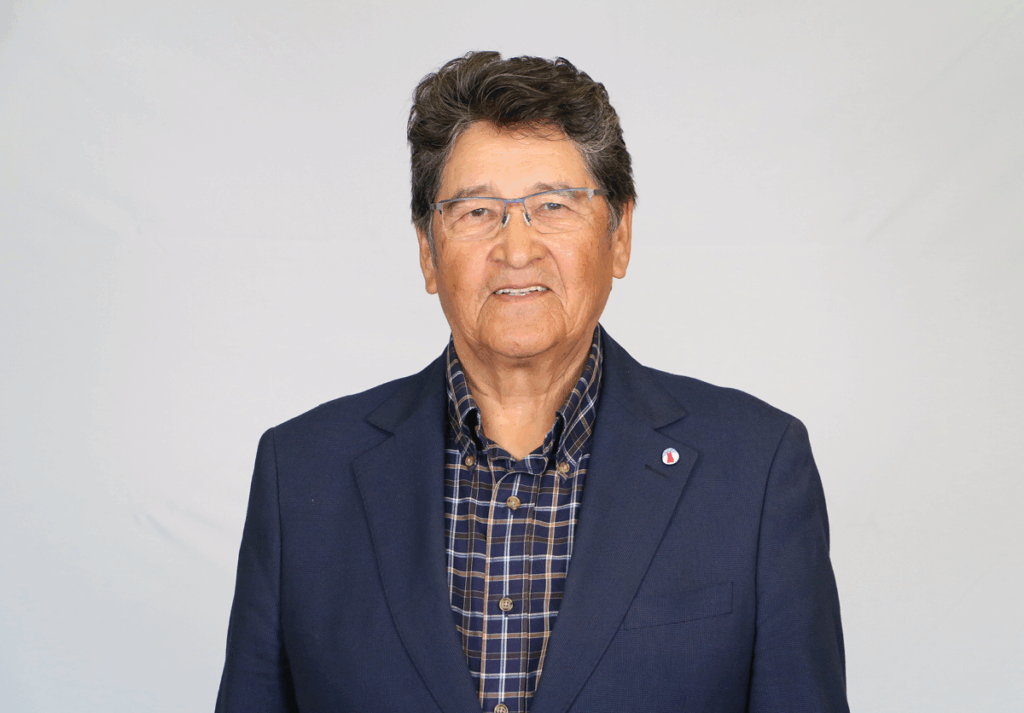
Ovide
Mercredi
Ovide Mercredi is a respected Cree leader, lawyer, and advocate from Grand Rapids, Manitoba. A graduate of the University of Manitoba’s law program, he rose to national prominence as a key figure in the opposition to the Meech Lake Accord and served as National Chief of the Assembly of First Nations from 1991 to 1997. His leadership emphasized non-violent advocacy, inherent rights, and the centrality of Treaties in Canada’s constitutional framework.
Ovide has remained active in First Nation governance and education, serving as Chief of Misipawistik Cree Nation from 2005 to 2011 and holding leadership roles at the regional and national level. He is also a published author and poet, recognized nationally for his decades of service with appointments such as the Order of Manitoba and the Order of Canada. Through Silent Drums Inc., he continues to share his experience in leadership training and intergovernmental relationship building.
PARTNER
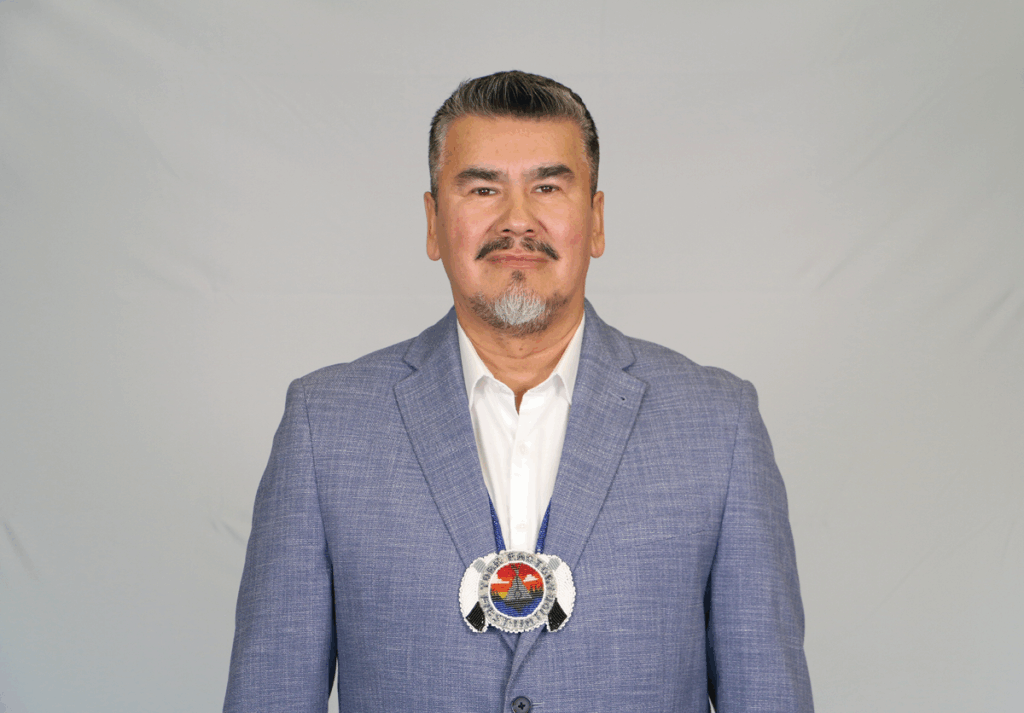
Ted
Bland
Ted Bland is a former Chief of York Factory First Nation, a Cree community along the Hudson Bay coast in Manitoba. Elected in April 2014, he focused on strengthening governance and addressing community priorities, including financial management and administrative transparency. His efforts were part of broader initiatives aimed at ensuring stability and sustainable development for the Nation.
He has continued to support First Nations across Manitoba through his work in governance, policy, and community engagement, including serving as a policy analyst for the Treaty 5 Summit of Sovereign Nations. Leaders like Ted Bland have contributed to the growth and direction of their Nations by focusing on governance rooted in tradition, resilience, and community well-being. He is also a respected Master of Ceremonies for gatherings and events across Manitoba, known for his grounding in First Nation protocol, respectful presence, and approachable style.

PARTNER
Jason
Mercredi
Jason Mercredi is an Inninewak of Misipawistik Cree Nation descent, dedicated to supporting First Nations in restoring their inherent rights. His work focuses on articulating traditional ways into modern contexts in a way that respects and upholds First Nations’ governance. Jason works directly with First Nations, emphasizing culturally accurate approaches to justice, governance, and child welfare. His contributions have been instrumental in shaping discussions around inherent rights, particularly through initiatives like Mino Opikiyawasowin, Misipawistik Cree Nation’s response to Bill C-92, which reclaims jurisdiction over child welfare in alignment with First Nation ways of being.
Jason has authored reports, including a Justice Canada paper on Indigenous legal traditions, and works to challenge colonial frameworks while supporting First Nations in strengthening their own governance structures. He prioritizes ensuring that laws, policies, and initiatives reflect inherent rights rather than imposed legal systems. His approach avoids reliance on external consultants, recognizing the expertise and strengths that already exist within First Nations.